- Cleaning 365
Residential and commercial buildings rely on intricate networks of pipes, fixtures, and main sewer lines to supply clean water and remove liquid waste safely. Canadian weather conditions place extreme physical stress on these plumbing systems throughout the year. Freezing winter temperatures expand water inside copper lines, while heavy spring thaws flood main drainage networks. Ignoring small plumbing issues guarantees sudden pipe bursts, costly structural water damage, and severe mold growth behind your walls.
Executing routine plumbing maintenance drain cleaning canada protocols protects your physical infrastructure from unexpected failures. Property owners must take a proactive approach to managing their water lines rather than waiting for raw sewage to back up into their basements. This guide covers essential preventative care tasks, safe DIY drain clearing methods, and advanced drain cleaning services. You will discover how professional camera inspections eliminate diagnostic guesswork and learn why structured plumbing maintenance contracts save commercial facilities thousands of dollars annually.
The Core Foundation of Preventative Plumbing Upkeep
Preventative physical maintenance stops minor plumbing flaws from escalating into catastrophic property disasters. Simple monthly checks keep your water lines running smoothly and protect your indoor living environment.
Inspecting for Hidden Moisture and Corrosion
Checking your fixtures monthly catches small leaks before they rot your subflooring or ruin expensive cabinetry. Walk through your building with a bright flashlight to examine all exposed piping.
Focus your monthly leak inspection on these critical areas:
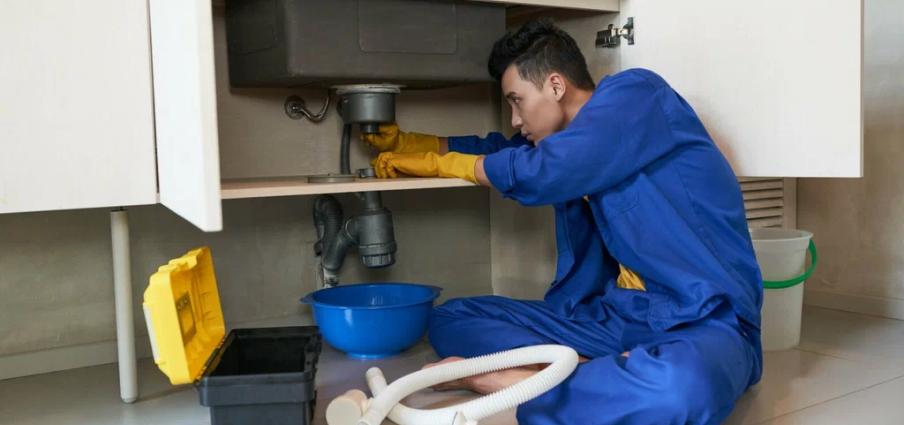
- Under Sink Cabinets: Search for dripping shut-off valves, wet p-traps, and soft wood floorboards.
- Behind Toilet Bases: Look for pooling water on floor tiles indicating a degraded wax ring seal.
- Around Water Heaters: Check temperature pressure relief valves and tank bases for white mineral crust or active rust spots.
- Exposed Basement Pipes: Inspect copper joints for green oxidation marks, which indicate microscopic pinhole leaks.
Flushing Water Heaters for Maximum Heating Efficiency
Storage tank water heaters accumulate heavy mineral sediment at the bottom of the steel tank over time. Hard Canadian municipal water bakes these minerals into a thick crust that acts as an insulating barrier between the burner flame and the water. This sediment buildup forces your water heater to run significantly longer, driving up your gas or electricity bills.
Drain your water heater tank once a year to flush out trapped sediment and preserve heating efficiency. Connect a standard garden hose to the drain valve at the bottom of the tank, run the hose to a floor drain, and open the valve until the water runs completely clear.
Testing Household Water Pressure Levels
Excessive water pressure acts like a silent destroyer inside your plumbing infrastructure. High pressure stresses internal rubber seals inside washing machines, ruins dishwasher valves, and causes copper pipe joints to split under constant strain.
Keep your household water pressure between 40 and 80 psi (pounds per square inch) to ensure long-term pipe safety. Screw a cheap hose bib pressure gauge onto an outdoor garden spigot or washing machine cold water valve. Turn the faucet on fully to read the static water pressure. If the gauge reads above 80 psi, hire a plumber to install or adjust a water pressure reducing valve immediately.
Locating and Labeling the Main Water Shut-Off Valve
Water rushes out of a broken pipe at incredible speed, flooding rooms within seconds. Knowing how to stop the water flow instantly limits structural water damage during a sudden pipe burst emergency.
Ensure every single person in your household knows how to locate and operate the main water shut-off valve. This brass valve usually sits near the front basement wall where the main municipal water pipe enters the building. Hang a bright, highly visible red tag on the valve handle so family members can identify it quickly during a dark, chaotic emergency.
Info: Test your main shut-off valve twice a year by turning it clockwise to close it completely. If the valve feels stuck or leaks when turned, replace it immediately with a modern full-port brass ball valve.
Practical DIY Drain Cleaning Best Practices
Slow drains indicate organic waste accumulating along the inner walls of your drainage pipes. Homeowners often react by pouring harsh chemical clearing products down the sink, which damages the plumbing system further. Safe DIY drain clearing strategies restore water flow without destroying your physical pipes.
Installing Heavy-Duty Drain Strainers
Stopping debris from entering your drainage network serves as your first line of defense against stubborn clogs. Place fine mesh stainless steel strainers over every drain opening in your building.
Target these specific drains with protective strainers:
- Bathroom Showers and Tubs: Catch loose hair and sticky soap scum before they bind together inside branch lines.
- Kitchen Sinks: Trap food scraps, coffee grounds, and vegetable peels before they wash down the garbage disposal.
- Utility Laundry Tubs: Filter lint and fabric fibers coming out of the washing machine discharge hose.
Weekly Hot Water and Soap Flushes
Liquified cooking fats, oils, and grease wash down kitchen sinks easily when warm, but they cool and solidify inside cold underground pipes. This sticky grease coating catches passing food particles, quickly creating an impenetrable wall of sludge.
Pour hot tap water mixed with a generous squirt of grease-cutting liquid dish soap down your kitchen drain once a week. The boiling water melts coating grease, while the soap breaks the chemical bonds holding the oil to the PVC or cast iron pipe walls.
Applying Natural Baking Soda and Vinegar Cleaners
Chemical reactions clear organic buildup safely without releasing toxic fumes into your home. Use a natural baking soda and white vinegar treatment every few months to keep branch lines fresh and free-flowing.
Follow these simple steps for a safe natural drain treatment:
- Pour half a cup of dry baking soda directly down the open drain opening.
- Follow immediately with one full cup of plain white household vinegar.
- Cover the drain opening with a damp rag to force the foaming carbon dioxide gas downward.
- Let the mixture foam inside the pipe for twenty minutes.
- Flush the drain thoroughly with two gallons of scalding hot water.
The Hidden Dangers of Harsh Chemical Cleaners
Store-bought chemical drain cleaners rely on heavy concentrations of sodium hydroxide or sulfuric acid to dissolve organic material. These aggressive chemicals create intense heat through exothermic reactions inside your pipes.
Skip harsh store-bought chemical cleaners completely. The chemical heat softens thin PVC plastic pipes and warps rubber seals. In older Canadian homes equipped with legacy cast iron or lead pipes, chemical cleaners accelerate internal metal corrosion, causing the pipe walls to thin, crack, and leak behind your walls.
Note: Never use a chemical drain cleaner if a drain is completely standing full of water. If the chemical fails to clear the clog, your plumber must reach into a sink filled with burning toxic acid to clear the pipe manually.
Professional Drain Cleaning Services and Advanced Tools
Simple home remedies fail when clogs form deep inside main sewer lines or involve invasive tree roots. Professional drain cleaning services utilize specialized heavy machinery to restore full wastewater flow safely.
Mechanical Snaking for Localized Branch Line Clogs
Commercial drain snakes, also called motorized drain augers, clear stubborn localized blockages inside smaller branch lines. The machine feeds a flexible steel cable equipped with a rotating steel cutting head down the pipe.
Mechanical snaking works best for clearing hair wads, paper wads, and dense organic plugs inside shower, tub, and bathroom sink lines. The rotating blade punches through the center of the clog, breaking it into smaller pieces that wash away down the main sewer system.
Hydro-Jetting Main Sewer Lines
When main sewer lines accumulate years of hardened grease, scale buildup, or invading tree roots, mechanical snakes only poke small holes through the blockage. Hydro-jetting provides a complete, long-lasting cleaning solution.
Hydro-jetting uses high-pressure water streams pumped at up to 4,000 psi to scour the inner walls of your main sewer line completely clean. The heavy water pressure pulverizes invading tree roots, flushes out heavy grease deposits, and strips mineral scale off cast iron pipes. Scheduling professional hydro-jetting annually restores the inner diameter of your main sewer pipe to its original factory condition.
Video Camera Inspections for Exact Diagnostic Accuracy
Plumbers no longer guess what causes a recurring sewer line backup. Advanced video camera inspections provide total visual clarity inside underground wastewater pipes.
A certified plumber feeds a waterproof, high-definition camera attached to a fiber-optic cable down your cleanout access point. The camera streams live color footage to a digital monitor, allowing the technician to pinpoint the exact depth and location of structural defects.
Video camera inspections detect these hidden pipe flaws instantly:
- Invasive tree roots penetrating through cracked pipe joints.
- Cracked, crushed, or collapsed clay and cast iron sewer lines.
- Bellied or sagging pipe sections that collect standing water and solids.
- Off-set pipe joints caused by shifting underground soil conditions.
Standards for Commercial Plumbing Services Canada
Commercial properties face strict public health regulations regarding liquid waste management. Restaurants, food processing plants, and office towers generate massive volumes of wastewater containing heavy fats and oils.
Contracting professional commercial plumbing services canada ensures your commercial facility stays fully compliant with local municipal environmental codes. Commercial plumbers utilize industrial-grade hydro-jetters and heavy grease trap management systems to prevent commercial sewer lines from backing up into public dining rooms or retail spaces.
Establishing Structured Plumbing Maintenance Contracts
Managing commercial properties or multi-unit residential buildings requires continuous oversight. Waiting for a pipe to burst before calling a plumber results in expensive emergency service rates and severe tenant downtime.
Financial Benefits of Scheduled Commercial Plumbing Services
Unplanned plumbing emergencies disrupt business operations and destroy commercial property values. Signing formal plumbing maintenance contracts protects your operating budget from unexpected financial shocks.
Commercial contracts provide several direct financial advantages:
- Discounted Service Rates: Contract clients receive reduced hourly labor rates on all routine repairs and major installations.
- Priority Emergency Response: Plumbers dispatch emergency technicians to contract holders first during severe weather events or local flooding.
- Predictable Capital Budgeting: Scheduled maintenance fees allow property managers to forecast annual facility expenses accurately.
- Reduced Insurance Premiums: Insurance providers often lower property coverage rates for facilities with documented preventative care programs.
Key Components of Commercial Plumbing Maintenance Contracts
A comprehensive commercial agreement covers every single water feature across your entire facility. Certified plumbers conduct structured inspections on a quarterly or bi-annual schedule to keep the building safe.
Essential tasks included in commercial plumbing service agreements:
- Annual testing and official certification of municipal backflow prevention devices.
- Quarterly inspections and pumping of commercial grease traps and interceptors.
- Bi-annual testing of commercial sump pumps and sewage ejector pumps.
- Routine clearance and hydro-jetting of main building sewer lines.
- Inspection of commercial water pressure boosters and boiler circulating pumps.
Comparing Drain Cleaning Methods
Selecting the correct drain clearing technique depends on the specific location and severity of the blockage. Review this comparison table to understand which service fits your current plumbing issue:
Service Factor | DIY Natural Cleaners | Mechanical Snaking | Professional Hydro-Jetting |
Best Application | Minor sink odours, light grease | Localized branch line hair clogs | Heavy main sewer roots and grease |
Pipe Reach | First 3 to 6 feet of pipe | Up to 100 feet in branch lines | Up to 500 feet in main sewer lines |
Cleaning Thoroughness | Light surface freshening | Punctures hole through clog | Scours pipe walls 100% clean |
Pipe Safety Level | Safe for all pipe materials | Safe when operated by pros | Requires inspection on older clay pipes |
Final Thoughts
Proactive plumbing maintenance protects your property from catastrophic water damage and expensive structural repairs. Monthly checks for hidden moisture under sinks, annual water heater sediment flushes, and maintaining proper water pressure extend the lifespan of your water infrastructure. Safe DIY drain habits like using mesh strainers and flushing pipes weekly with hot soap prevent organic grease from solidifying inside your walls. Refusing to pour harsh chemical drain cleaners stops acidic pipe corrosion and preserves legacy plumbing lines.
When deep clogs or tree roots compromise your main sewer line, professional mechanical snaking, camera inspections, and hydro-jetting restore full wastewater flow safely. Commercial property managers must establish structured maintenance contracts to stay compliant with municipal health regulations and avoid business interruptions. Taking control of your plumbing health today guarantees a secure, dry living environment. Contact Cleaning 365 Services right now to book your expert plumbing inspection!
Frequently Asked Questions
What is included in standard plumbing maintenance drain cleaning canada services?
A professional service includes inspecting exposed copper lines for leaks, testing water pressure, checking water heater efficiency, inspecting backflow valves, and executing video camera sewer line checks. Technicians also perform mechanical snaking or hydro-jetting to clear stubborn drain blockages safely.
Why should I avoid chemical drain cleaners?
Chemical drain cleaners contain harsh acids or lye that generate intense heat inside your plumbing lines. This chemical reaction warps thin PVC plastic pipes, melts rubber seals, and corrodes legacy metal pipes like cast iron, leading to expensive hidden leaks behind your drywall.
How often should a commercial main sewer line undergo hydro-jetting?
High-demand commercial properties, especially restaurants and food preparation facilities, should schedule hydro-jetting at least once a year. Annual hydro-jetting strips accumulated grease, heavy scale, and invasive tree roots off the inner pipe walls before they cause sewage backups.
What are the main benefits of commercial plumbing maintenance contracts?
Plumbing contracts provide priority emergency dispatch during blackouts or floods, discounted labor rates, predictable operating budgets, and official documentation for commercial insurance providers. Regular inspections prevent business shutdowns by catching small pipe flaws before they escalate into major water disasters.