- Cleaning 365
Canadian weather subjects residential and commercial properties to brutal temperature extremes. Blistering summer heatwaves push air conditioning units to their mechanical limits, while freezing winter storms force heating systems to run continuously for months. Neglecting mechanical upkeep during these extreme shifts guarantees expensive breakdowns and creates highly unsafe indoor environments. Securing reliable HVAC maintenance services canada professionals protects your expensive equipment from premature failure.
Routine mechanical care lowers your monthly energy bills significantly by forcing the equipment to operate at peak efficiency. Catching minor wear and tear before a catastrophic failure saves you thousands of dollars in sudden repair costs. This complete 2026 guide breaks down the exact seasonal maintenance steps required to keep your building comfortable. You will discover exactly which tasks you can handle yourself, what certified technicians actually do during a professional tune-up, and the current Canadian cost benchmarks for standard repairs and full system replacements.
Understanding the Unique Canadian Climate Challenge
Building mechanics face an uphill battle against the Canadian climate. A single mechanical system must manage freezing snow in January and humid, heavy heat in July. Managing these sudden shifts requires constant vigilance and proactive physical adjustments.
The Impact of Extreme Weather on System Efficiency
Mechanical systems degrade rapidly when forced to operate outside their optimal design parameters. Extreme weather forces internal components to work twice as hard to maintain a stable indoor temperature.
Winter Freeze and Furnace Strain
Plunging winter temperatures force your furnace or heat pump to run nonstop. This continuous operation stresses the blower motor and exposes the heat exchanger to intense thermal expansion and contraction. Constant running also dries out indoor air, forcing connected humidifiers to work overtime.
Summer Humidity and Air Conditioner Workload
Summer humidity forces your air conditioner to act as both a cooling device and a massive dehumidifier. Pulling heavy moisture out of the air forces the compressor to draw maximum electrical current. If the system lacks proper maintenance, this heavy electrical draw melts capacitors and destroys the compressor motor permanently.
Seasonal HVAC Maintenance Checklist for Canadian Properties
Preventing mechanical failure requires adjusting your physical maintenance routine as the seasons change. Breaking the workload down into a strict seasonal checklist ensures you never miss a critical inspection window.
Spring (Cooling Prep) – Prepping Your Air Conditioner
Spring represents your absolute last chance to prepare your cooling equipment before the intense summer heat arrives. You must verify the physical integrity of the outdoor unit after a long, brutal winter.
Cleaning Outdoor Condenser Coils and Clearing Debris
Winter storms pack heavy dirt, dead leaves, and thick mud deep inside your outdoor condenser unit. This debris blocks fresh air from pulling through the metal fins. You must clean the outdoor condenser coils thoroughly using a soft brush and a low-pressure water hose. Clearing this debris restores proper airflow and stops the compressor from overheating.
Checking Refrigerant Levels and System Testing
You must test the air conditioner on the first warm spring day. Turn the thermostat down and listen carefully for strange grinding noises. A professional technician must check the internal refrigerant levels. Low refrigerant indicates a physical leak in the copper lines, causing the evaporator coil to freeze solid and destroying the compressor rapidly.
Summer (Peak Operation) – Managing Peak Cooling Loads
Your system runs at maximum capacity during the summer months. You must monitor the equipment constantly to prevent sudden mid-season failures.
Inspecting Condensate Lines for Blockages
Air conditioners pull massive amounts of liquid water out of the humid summer air. This water drips into a pan and drains outside through a small PVC pipe. Algae and mold grow rapidly inside this wet pipe, creating a solid blockage. Inspect the condensate lines weekly for blockages. A clogged drain line forces water to overflow directly into your drywall and electrical panels.
Monitoring Cooling Performance and Humidity
Monitor the actual cooling performance in every single room. If one room feels perfectly cold while another feels humid and sticky, you likely have a hidden ductwork leak or a failing blower motor.
Fall (Heating Prep) – Essential Furnace Inspections
Autumn requires you to shift your focus entirely to physical fire safety. Preparing a gas furnace for winter demands strict attention to combustion mechanics.
Inspecting the Heat Exchanger to Prevent Carbon Monoxide Leaks
The heat exchanger separates the toxic combustion gases from the clean air blowing into your home. Constant thermal expansion causes older heat exchangers to crack. You must inspect the heat exchanger for cracks to prevent deadly carbon monoxide leaks from entering your living space.
Cleaning Burners and Testing the Flame Sensor
Soot and dust settle on the gas burners during the dormant summer months. Cleaning the burners ensures a clean, highly efficient blue flame. You must also test the flame sensor carefully. A dirty flame sensor shuts the entire furnace down randomly, leaving you freezing during a cold November night.
Winter (Peak Heating) – Ensuring Uninterrupted Warmth
Winter maintenance focuses on airflow management. Restricted airflow destroys furnace limit switches and cracks heat exchangers rapidly.
Monitoring Heating Cycles and System Performance
Listen to how often the furnace turns on and off. Short cycling occurs when the furnace turns off after only three minutes of heating. This rapid cycling indicates a failing thermostat, an overheating limit switch, or a severely clogged air filter.
Checking for Adequate Airflow Across the Duct Network
Check every single supply register in the building. Ensure you have adequate airflow pushing into the rooms. Weak airflow indicates a failing blower motor or a massive hidden blockage inside the main duct trunk.
Essential DIY Maintenance Tasks for Property Owners
You do not need a mechanical engineering degree to protect your HVAC equipment. Executing a few simple DIY tasks drastically reduces your annual repair bills and extends the lifespan of the machinery.
Changing Air Filters Regularly
The air filter acts as the primary lungs of your mechanical system. A dirty, clogged filter chokes the blower motor, forcing it to draw massive amounts of electricity until it burns out completely.
Check and replace your air filters every 1 to 3 months. Homes with multiple shedding pets or heavy indoor dust require fresh filters every 30 days. Standard pleated filters maintain perfect airflow while trapping harmful microscopic allergens effectively.
Maintaining Physical Clearance Around the Outdoor Unit
Your outdoor condenser needs to breathe. Plants and weeds grow rapidly around the metal casing during the summer. Winter blizzards pile dense snow directly against the fan blades.
Keep at least two feet of clear physical space around the outdoor condenser at all times. Remove dead leaves, shovel away dense snow, and trim back overgrown landscaping bushes. This clear perimeter ensures the fan pulls enough fresh air to cool the internal compressor safely.
Inspecting Supply and Return Vents
Indoor airflow requires an unobstructed path into the room and a clear path back to the furnace. Walk through every room in your property and inspect the metal vents. Make sure indoor supply and return registers are not blocked by heavy rugs, massive couches, or thick curtains. Blocking a vent increases the static pressure inside the ductwork, causing severe mechanical strain on the main blower motor.
What to Expect From Professional Tune-Up Services
DIY tasks handle the basic airflow requirements, but complex mechanical systems require certified experts. HVAC preventive maintenance involves testing dangerous high-voltage electrical components and handling pressurized chemical refrigerants.
Detailed Electrical System Checks
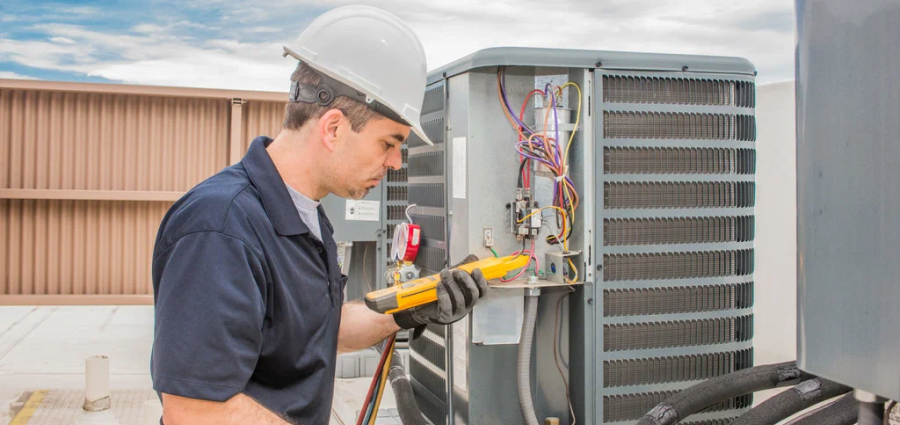
Loose electrical wires cause dangerous arcing and sudden power failures. Licensed technicians tighten all electrical connections safely. They use specialized digital multimeters to test the exact voltage and current draw on the compressor and blower motors. A motor drawing too much amperage indicates failing internal bearings and requires immediate replacement before it catches fire.
Component Lubrication and Mechanical Care
Metal rubbing against metal creates massive heat and physical destruction. Professional tune-ups ensure all moving parts are lubricated heavily using specialized industrial oils. Proper lubrication reduces physical friction, drops the internal operating temperature, and prevents premature motor wear entirely.
Strict System Calibration
A mechanical system only operates as well as its central computer. Technicians verify that your thermostats and internal safety controls are calibrated perfectly. They test the high-limit switches and pressure sensors to ensure they match exact manufacturer specifications. A failed safety switch allows a furnace to overheat until it starts a structural fire.
Cost Analysis and Scheduling Benchmarks in 2026
Budgeting for mechanical upkeep prevents sudden financial disasters. Understanding the standard Canadian pricing for HVAC servicing canada allows you to spot overpriced contractors and secure fair service agreements.
Recommended Visit Frequency
Do not wait for your equipment to break before calling a technician. You must schedule professional service twice a year. Book a cooling inspection in the early spring and a heating inspection in the early fall. If you operate a tight budget, you must schedule a professional tune-up at least once annually to maintain your expensive manufacturer warranty coverage.
Securing Maintenance Contracts and Service Plans
Signing a dedicated service agreement protects your budget from sudden inflation. Typical annual service plans cost between $150 and $500. These HVAC maintenance contracts usually cover your two seasonal tune-ups, provide priority dispatch during extreme regional storms, and offer a dedicated discount on any required physical replacement parts. Commercial hvac maintenance agreements cost slightly more but provide massive financial stability for large retail or industrial properties.
Repair Costs vs Full System Replacement
Mechanical components eventually fail regardless of your maintenance efforts. Use this exact pricing table to understand standard 2026 Canadian repair benchmarks.
| Service Requirement | 2026 Average Canadian Cost | Primary Deciding Factor |
|---|---|---|
| Annual Service Plan | $150 to $500 | Covers routine seasonal tune-ups |
| Standard Component Repairs | $415 to $1,200 | Cost depends on the specific failed part |
| Full System Replacement | $9,000 to $16,500 | Required when repairs exceed 50% of the replacement value |
Info: When facing a massive repair bill, you can look into local providers such as Home Depot Home Services for competitive maintenance offerings and reliable warranty-backed installations.
Final Thoughts
Surviving brutal Canadian weather requires a highly proactive approach to mechanical upkeep. Ignoring your heating and cooling equipment guarantees a miserable summer heatwave and a freezing, highly dangerous winter night. Following a strict seasonal maintenance checklist ensures your outdoor condenser coils remain clean in the spring and your furnace heat exchanger stays safely intact during the fall. Simple homeowner tasks like changing air filters every three months and clearing a two-foot perimeter around your outdoor unit extend the physical lifespan of your system drastically.
Partnering with certified professionals for biannual electrical checks and precise system calibration prevents minor friction wear from escalating into a catastrophic motor failure. Securing a reliable annual service plan stabilizes your repair budget and guarantees priority dispatch when regional storms knock out critical neighborhood infrastructure. Stop waiting for your mechanical systems to break down completely before taking action. Contact Cleaning 365 Services right now to schedule your comprehensive 2026 HVAC maintenance inspection.
Frequently Asked Questions
What does a standard HVAC maintenance plan cost in Canada?
Typical annual service plans in Canada cost between $150 and $500. These plans generally cover two seasonal tune-ups, offer priority emergency dispatch, and provide a fixed percentage discount on any required replacement parts or labor fees.
How often should I change my home air filters?
You must check and replace your indoor air filters every 1 to 3 months. Homes with heavy dust, multiple pets, or occupants with severe respiratory allergies should replace their pleated filters every 30 days to maintain maximum airflow and system efficiency.
What causes a furnace to leak deadly carbon monoxide?
Constant thermal expansion over many years causes the metal heat exchanger inside the furnace to crack. Inspecting the heat exchanger for these hairline cracks during your fall maintenance prep prevents toxic carbon monoxide gas from escaping into your living space.
When should I replace my HVAC system instead of repairing it?
Industry experts recommend replacement when repair costs exceed 50 percent of the value of a brand-new unit. While average repairs range from $415 to $1,200, a failing 15-year-old system facing a major compressor failure usually warrants a full system replacement costing between $9,000 and $16,500.