- Cleaning 365
Canadian property owners face some of the most aggressive climate shifts on the planet. Preparing your home for these massive temperature swings requires a highly organized approach to mechanical upkeep. A sudden furnace failure during a freezing January storm creates an immediate, life-threatening crisis. Likewise, a broken air conditioner during a humid July heatwave leaves your family completely miserable. You cannot wait for these expensive machines to break down before giving them attention.
Following a strict HVAC maintenance checklist canada ensures your equipment operates at peak efficiency year-round. This proactive approach protects your expensive machinery from premature failure and lowers your monthly energy bills significantly. This complete 2026 guide outlines the exact steps required for proper seasonal hvac maintenance. We will break down the essential summer cooling preparation tasks and detail the critical winter heating safety protocols you must follow.
Surviving the Canadian Climate Extremes
Your mechanical systems fight a constant battle against the elements. Transitioning between heavy snow and blistering heat forces your equipment to work incredibly hard to maintain a stable indoor temperature.
The Cost of Ignoring Seasonal Shifts
Failing to prepare your system for the upcoming season guarantees a massive drop in mechanical efficiency. This neglect directly increases your utility bills.
Why Summer Heat Destroys Air Conditioners
Summer humidity forces your cooling system to act as a massive dehumidifier. Pulling thick moisture out of the air puts immense electrical strain on the central compressor. Ignoring basic maintenance restricts vital airflow, causing the compressor to overheat rapidly and eventually burn out entirely.
The Dangers of Winter Furnace Neglect
Winter plunges your building into freezing conditions, forcing the furnace to run continuously for months. Constant thermal expansion stresses the metal heat exchanger deeply. Ignoring this physical stress leads to dangerous structural cracks, allowing toxic combustion gases to enter your living space unnoticed.
Essential Summer Air Conditioning Maintenance Canada
Preparing for the summer heat requires a multi-step approach. You must complete your summer air conditioning maintenance canada checklist during the mild spring months before the severe heatwaves begin.
Indoor Cooling Preparation Tasks
The interior components of your cooling system control the overall indoor air quality. Managing these indoor elements guarantees strong, consistent airflow across your entire property.
Changing the Air Filter Regularly
The air filter serves as the primary defense for your blower motor. A dirty, clogged filter chokes the entire system, forcing the motor to draw excess electricity until it fails. You must replace your dirty air filter every one to three months. Homes with multiple shedding pets require a fresh filter every thirty days to maintain maximum cooling efficiency. Ignoring this simple task causes the internal evaporator coil to freeze solid during humid days.
Unblocking Indoor Air Vents
Air conditioning requires a completely unobstructed path to circulate properly. Walk through every room in your building and inspect the metal floor registers. Make sure heavy furniture, thick rugs, and long curtains do not cover your supply and return air registers. Blocking a vent traps cold air inside the ductwork, causing the internal evaporator coil to freeze completely solid. Proper ventilation balance ensures every single room maintains a consistent, comfortable temperature without overworking the machine.
Inspecting Condensate Drain Lines
Your air conditioner extracts gallons of liquid water from the humid summer air every single day. This water drips into a pan and exits through a PVC drain line. You must check that the drain line remains completely clear. Algae grows rapidly inside this wet pipe, creating a blockage that forces water to overflow into your basement or utility room.
Outdoor Condenser Management
The outdoor condenser sits fully exposed to harsh weather all year long. Protecting this metal box ensures the compressor can release the heat it pulls from your home.
Cleaning the Outdoor Unit
Winter storms pack dead leaves, thick mud, and heavy sticks directly into the metal fins of your outdoor condenser. You must clear this debris completely using a soft brush and a gentle water hose. Removing this compacted dirt restores proper airflow, allowing the internal fan to pull fresh air across the hot condenser coils easily.
Maintaining the Two-Foot Clearance Zone
Landscaping bushes and tall weeds grow rapidly around your equipment during the rainy spring months. You must cut this vegetation back aggressively. Leave at least two feet of completely free space around the entire air conditioner condenser. This physical clearance zone prevents nearby plants from choking the fan blades and starving the compressor of vital cooling air.
Testing the System Early in Spring
Never wait for the first ninety-degree day to turn your air conditioner on for the first time. Turn on your air conditioner on a mild spring day to make sure it cools properly. Listen closely for any strange metallic grinding noises. Finding a problem early allows you to schedule a repair before local technicians become fully booked.
Comprehensive Winter HVAC Servicing Protocols
Winter introduces extreme survival risks. Proper winter hvac servicing focuses entirely on ensuring reliable heat production and protecting your family from dangerous carbon monoxide exposure.
Furnace and Heating System Care
Your primary heating source requires careful mechanical calibration to burn natural gas safely. Preparing this equipment guarantees steady, uninterrupted warmth throughout the darkest months.
Servicing the Furnace Before the Frost
You must test your furnace in the autumn before freezing weather starts. Turn the thermostat up and let the system run for twenty minutes. Listen for strange banging noises or odd burning smells. A faint dust smell is normal initially, but a persistent electrical burning odor requires an immediate system shutdown and a professional mechanical inspection.
Replacing Humidifier Pads for Winter Air
Winter air lacks natural humidity, causing severe dry skin and painful static shocks. Your central furnace humidifier combats this by injecting water vapor directly into the ductwork. You must change your central furnace humidifier pad every single autumn. A calcified, crusty pad blocks the water flow completely, leaving your indoor air painfully dry and uncomfortable all winter.
Checking the Thermostat Calibration
Your thermostat acts as the central brain of the entire operation. An uncalibrated thermostat forces the furnace to run erratically. You should program your thermostat for strict winter efficiency. Consider upgrading to a modern smart thermostat to lower heating bills. These digital devices learn your daily routine and lower the heat automatically when you leave the house.
Managing Winter Exhaust and Safety Alarms
Burning fossil fuels creates toxic byproducts. You must ensure these dangerous gases exit your property safely without leaking back into your tightly sealed building.
Clearing Outdoor Exhaust Pipes Safely
High-efficiency furnaces vent their exhaust gases out the side of your house using white PVC pipes. Heavy blizzards easily bury these specific pipes under massive snowdrifts. You must check outside vents and exhaust pipes after heavy snowstorms to prevent dangerous blockages. A blocked exhaust pipe forces the furnace to shut down entirely to prevent a fatal gas leak.
Testing Carbon Monoxide and Smoke Detectors
Your safety alarms represent your final line of defense against a mechanical failure. You must test all carbon monoxide and smoke detectors inside your home before turning the furnace on. Change their batteries to stay safe during gas heating use. A cracked heat exchanger releases invisible, odorless carbon monoxide, making these loud digital alarms absolutely critical for survival. Never ignore a chirping detector; replace the entire unit if it exceeds ten years of age.
The Benefits of a Professional Maintenance Strategy
While homeowners can handle basic filter changes and yard cleanup, complex mechanical systems require certified expertise. Professional technicians possess the specific tools needed to test high-voltage electrical connections safely.
Why DIY Maintenance is Not Enough
Watching an online video does not qualify you to open a commercial electrical panel. Attempting to service internal machinery yourself often voids the manufacturer’s warranty completely.
Evaluating High-Voltage Electrical Systems
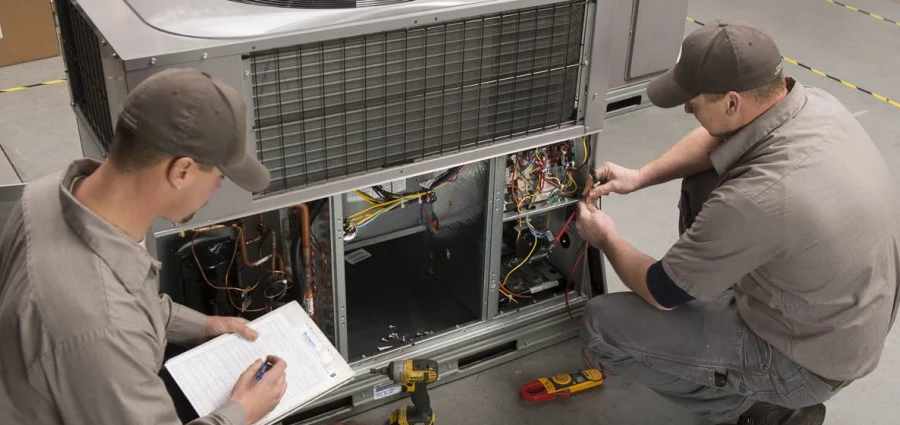
Modern air conditioners and furnaces rely on massive electrical capacitors to start their heavy motors. A licensed technician uses a digital multimeter to measure the exact voltage and current draw on these components. They tighten loose wire connections to prevent sudden electrical arcing and replace weak capacitors long before they cause the primary compressor to fail permanently.
Handling Pressurized Chemical Refrigerants
Air conditioners utilize highly pressurized chemical refrigerants to absorb indoor heat. Only a legally certified professional can handle these dangerous chemicals. If your system runs low on refrigerant, the technician uses specialized manifold gauges to locate the microscopic leak in the copper line, solder the hole shut, and recharge the system back to exact factory specifications.
Structuring Your Annual Tune-Ups
Consistency prevents mechanical disasters. You must establish a firm relationship with a local HVAC company to ensure your equipment receives proper attention every single year.
Spring and Autumn Professional Visits
Industry experts recommend scheduling a professional service visit twice a year. You need a dedicated cooling inspection in the early spring and a comprehensive heating inspection in the early fall. Booking these appointments during the shoulder seasons ensures your equipment is fully prepared before the extreme weather strikes, allowing you to beat the massive rush of emergency calls.
Securing a Dedicated Service Contract
Paying for individual service calls adds up quickly. Smart property owners sign dedicated annual maintenance agreements with trusted local providers. These formal contracts usually include your two seasonal tune-ups for a single flat rate. They also guarantee priority emergency dispatch during severe regional blizzards and offer a set percentage discount on any unexpected physical replacement parts you might need. This proactive financial approach eliminates the stress of searching for a reliable contractor during a midnight crisis.
Final Thoughts
Surviving the brutal temperature swings of a Canadian climate requires absolute mechanical reliability. You cannot leave your family vulnerable to a sudden furnace failure during a freezing January night. Following a strict HVAC maintenance checklist canada strategy protects your expensive machinery from premature decay. Basic homeowner tasks, like changing the air filter every three months and clearing a two-foot space around the outdoor condenser, prevent the internal blower motor from overheating rapidly.
While DIY tasks handle basic airflow, securing a professional tune-up ensures the high-voltage electrical connections operate perfectly. A certified technician catches minor friction wear before it escalates into a catastrophic system failure. Establishing a consistent, biannual servicing routine stabilizes your repair budget and keeps your monthly energy bills incredibly low. Protect your physical property and secure your family’s overall comfort immediately. Call Cleaning 365 Services right now to book your complete seasonal HVAC inspection.
Frequently Asked Questions
What is the most important step in a summer air conditioning maintenance Canada plan?
Changing your indoor air filter is the most critical step. A dirty filter restricts airflow, forcing the compressor to work harder and increasing your energy bills. You must replace it every 1 to 3 months to maintain system efficiency and protect the primary blower motor from premature failure.
How often should I schedule winter hvac servicing for my furnace?
You should schedule professional furnace servicing at least once a year, ideally in the autumn before the freezing weather arrives. This annual inspection ensures the heat exchanger is free from dangerous cracks, the gas burners are clean, and the system operates safely without leaking carbon monoxide.
Why do I need to clear the snow away from my outdoor exhaust pipes?
Modern high-efficiency furnaces use PVC pipes to vent toxic combustion gases directly outside. If a heavy snowdrift blocks these pipes, the dangerous exhaust gases cannot escape. The furnace will automatically shut down to prevent carbon monoxide from backing up into your home, leaving you without heat.
Can I test my air conditioner during the winter months?
No, you should never turn on your air conditioner when the outdoor temperature drops below 15 degrees Celsius (60 degrees Fahrenheit). The oil inside the compressor thickens in cold weather. Running the system in freezing conditions will destroy the compressor motor instantly and void your warranty.