- Cleaning 365
Operating a commercial building in Canada requires absolute adherence to strict electrical regulations. Ignoring these mandatory safety standards guarantees severe financial penalties, catastrophic electrical fires, and sudden facility closures. Property managers cannot cut corners when installing heavy electrical infrastructure or upgrading main distribution panels. The government demands total compliance to protect both the building occupants and the massive power grid.
Navigating electrical safety codes Canada requires property owners to understand the specific legal framework governing their province. This structured guide exposes the exact compliance requirements for commercial facilities, focusing heavily on the latest Ontario Electrical Safety Code updates enforced in 2026. You will learn why hiring a Licensed Electrical Contractor is an absolute legal mandate. We will break down the precise notification timelines required for new construction and explain how the Electrical Safety Authority conducts their mandatory safety audits to keep your commercial property legally protected and fully operational.
Understanding the Governing Electrical Standards
Canadian commercial properties operate under a strict hierarchy of federal and provincial safety guidelines. You must follow these specific rulebooks to keep your business license active and your commercial insurance policies completely valid.
The Role of the Ontario Electrical Safety Code
The Canadian Electrical Code (CEC) Part I serves as the national foundation for all electrical work across the country. However, provinces adapt this national code to fit their specific regional needs. Commercial properties in Ontario must comply directly with the Ontario Electrical Safety Code (OESC).
The OESC combines the national CEC standards with strict provincial amendments designed for dense urban infrastructure and specific weather conditions. The Electrical Safety Authority (ESA) strictly enforces these rules. Any electrical installation, major renovation, or heavy maintenance performed in your facility must adhere to the latest OESC standards.
Key 2026 Code Amendments and Updates
The government recently rolled out massive code updates that directly impact commercial properties in 2026. The 2024 edition of the OESC (enforced starting May 2025) introduced several mandatory safety upgrades.
Property managers must prepare for these specific code changes:
- Expanded AFCI Protection: Arc-Fault Circuit Interrupters are now mandatory across significantly more commercial and residential living spaces to detect low-level sparking before fires ignite.
- Enhanced GFCI Zones: Ground Fault Circuit Interrupters are strictly required near all water sources, including mandatory weatherproof in-use covers for every single outdoor receptacle.
- EV-Ready Infrastructure: New commercial builds and major renovations must include dedicated panel space and heavy conduit for future electric vehicle charging stations.
- Energy Storage Systems (ESS): Strict new clearance and ventilation rules now govern the installation of massive commercial battery backup systems and solar integrations.
Mandatory Licensing and Notification Rules
Commercial electrical work carries massive legal liability. A building owner cannot legally allow an untrained maintenance worker to alter high-voltage commercial distribution boards.
Hiring a Licensed Electrical Contractor (LEC)
Property owners must hire a Licensed Electrical Contractor (LEC) to perform commercial electrical work. The government issues this specific license only to companies that employ a designated Master Electrician. This structural requirement ensures the contractor holds proper commercial liability insurance, WSIB workplace coverage, and deep technical knowledge of the latest OESC standards.
If a property manager hires an unlicensed handyman to install heavy commercial lighting, the manager assumes 100 percent of the legal liability. If that illegal lighting installation causes a fire, the commercial insurance provider will deny the damage claim instantly.
Info: Always ask for a contractor’s 7-digit ECRA/ESA license number before allowing them to touch your electrical panels. You can verify this exact number instantly using the official ESA contractor lookup portal online.
Filing the Formal Notification of Work
The government demands complete visibility into commercial electrical upgrades. You cannot perform secret renovations behind locked doors.
A formal notification (often called an electrical permit) must be filed with the Electrical Safety Authority before or within 48 hours of starting the work. The Licensed Electrical Contractor usually files this paperwork on behalf of the commercial property owner.
This strict notification process serves several purposes:
- Registers the specific electrical project in the official government database.
- Triggers the scheduling of mandatory ESA safety inspections at critical construction phases.
- Creates a permanent legal paper trail proving the work was executed legally.
Product Approval and Certification Requirements
Installing cheap, unverified electrical components inside a commercial facility creates a lethal shock hazard. The Canadian government severely restricts what physical materials contractors can install inside your building walls.
Recognizing Accredited Certification Marks
All electrical equipment, wires, panels, and products used in commercial buildings must carry an official approval mark from an accredited certification agency. You cannot order cheap electrical breakers from overseas suppliers and install them legally in Canada.
CSA electrical standards dictate the safety testing protocols for all manufactured electrical goods. Inspectors will look for the official CSA (Canadian Standards Association) logo stamped directly into the metal or plastic housing of the equipment. They also recognize specific marks from Underwriters Laboratories of Canada (ULC) and Intertek (ETL).
Risks of Using Unapproved Equipment
Using unapproved equipment violates the Ontario Electrical Safety Code instantly.
Installing uncertified electrical products triggers the following severe consequences:
- ESA inspectors will fail the entire commercial installation immediately.
- Contractors must rip open finished drywall to remove the illegal wires and panels.
- The property owner must purchase brand new, certified equipment to replace the rejected materials.
- The facility opening date gets delayed for weeks while waiting for a secondary re-inspection.
Use this quick reference table to understand product approval boundaries:
| Equipment Category | Approval Requirement | Common Certification Mark |
|---|---|---|
| Main Service Panels | Mandatory | CSA or cULus |
| Industrial Lighting | Mandatory | CSA or cETLus |
| Heavy Copper Wiring | Mandatory | CSA stamped on the cable jacket |
| Extension Cords | Mandatory for commercial use | ULC or CSA |
Note: Counterfeit electrical products flood the commercial market constantly. If a contractor offers a massive discount on a brand new 400-amp distribution board, inspect the certification sticker closely. Fake stickers often feature blurred text or easily peel off the metal housing.
The ESA Inspection and Compliance Process
The Electrical Safety Authority does not trust contractors blindly. They operate as an independent administrative authority dedicated entirely to preventing electrical injuries and property damage.
What the Electrical Safety Authority Looks For
The ESA conducts mandatory reviews at various stages of installation to ensure strict code compliance. ESA compliance Canada requires physical site visits from trained government inspectors.
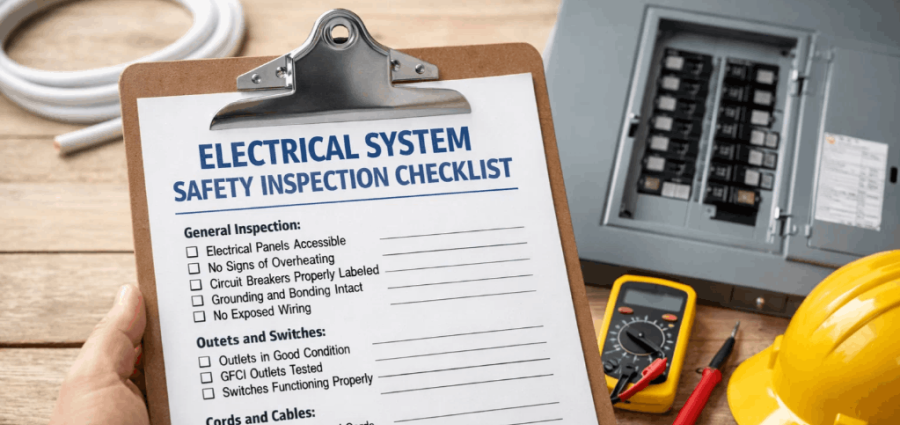
Inspectors do not simply check boxes on a clipboard. They physically test the installation against the approved engineering blueprints.
ESA inspectors focus heavily on these critical safety elements:
- Proper Grounding and Bonding: Ensuring rogue electricity has a safe path into the earth rather than through a human body.
- Correct Conductor Sizing: Verifying the internal copper wires are thick enough to handle the massive commercial electrical load without melting.
- Fault Protection: Testing the newly installed GFCI and AFCI breakers for instant mechanical tripping.
- Environmental Ratings: Ensuring outdoor equipment features proper weatherproof seals to survive harsh Canadian winters.
Phased Commercial Inspections
Large commercial properties require multiple inspections during a single renovation project. The ESA inspector must review the “rough-in” phase before the construction crew installs the drywall. This allows the inspector to see every single wire running through the steel wall studs.
Once the contractor installs the drywall and the final outlet covers, the inspector returns for the final review. The ESA issues an official Certificate of Acceptance only after the property passes this final safety audit.
Managing Insurance and Legal Liabilities
Commercial electrical code requirements tie directly to your financial security. You must secure that final Certificate of Acceptance to protect your building.
Commercial insurance companies demand a copy of this certificate before underwriting a new property or maintaining coverage after a major renovation. Failing to provide this legal document leaves the building owner completely exposed to massive lawsuits if an electrical fire injures a tenant or destroys neighboring properties. Keeping a pristine file of all ESA certificates guarantees your business operations remain legally shielded.
Final Thoughts
Strict adherence to Canadian electrical safety codes protects your massive commercial investment from catastrophic fires and crippling legal liabilities. Property managers must demand total compliance with the latest Ontario Electrical Safety Code updates, ensuring all heavy infrastructure meets exact modern safety standards. Hiring a Licensed Electrical Contractor guarantees your facility renovations receive proper government notifications and mandatory ESA inspections. Refusing to install uncertified, cheap equipment prevents sudden electrical explosions and secures your official Certificate of Acceptance without costly construction delays.
Navigating complex municipal fire codes and strict electrical regulations requires professional guidance you can actually trust. A single missed inspection or a faulty wire installation threatens the lives of your employees and voids your commercial insurance policies instantly. Stop risking your entire business operation on unverified electrical work. Protect your building and ensure total code compliance by contacting Cleaning 365 Services right now to schedule your commercial facility evaluation!
Frequently Asked Questions
What are the main electrical safety codes Canada enforces for commercial buildings?
Commercial properties must adhere to the Canadian Electrical Code (CEC) Part I. In Ontario, buildings must comply with the Ontario Electrical Safety Code (OESC), which combines national standards with strict provincial amendments regarding heavy infrastructure and specific environmental protections.
Who is legally allowed to perform commercial electrical work?
Property owners must hire a Licensed Electrical Contractor (LEC) for any commercial electrical project. These licensed companies must employ a designated Master Electrician to ensure all work meets the OESC standards and passes mandatory government safety audits.
When must a contractor file a notification of work with the ESA?
A formal notification of work, commonly known as an electrical permit, must be filed with the Electrical Safety Authority either before the project begins or within 48 hours of starting the physical electrical work on the property.
Why is product approval essential for commercial electrical installations?
All electrical equipment installed in Canada must carry an official approval mark from an accredited agency like CSA or ULC. Installing uncertified equipment creates massive shock hazards, violates the OESC, and forces the ESA inspector to fail the entire commercial installation immediately.